Your AI Game Asset May Have No Clean Chain of Title
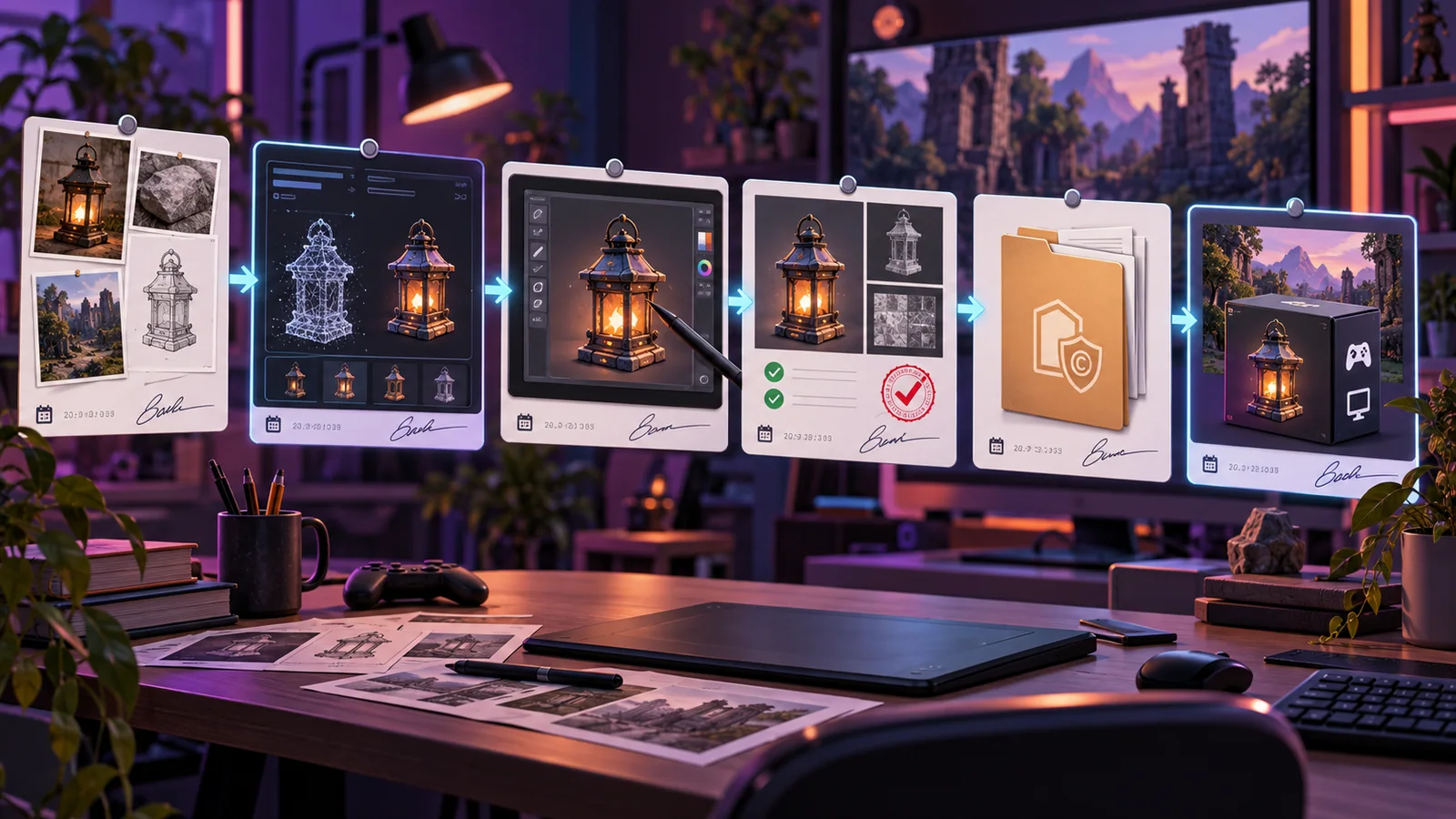
Image: Muudd
“Commercial use allowed” is not the same sentence as “the client owns enforceable copyright.” It is also not the same as “the output cannot infringe anyone else.” AI-assisted game production needs an evidence chain, not a checkbox.
Four questions, four different answers
For every material asset, ask:
- Did the tool’s terms permit this commercial use?
- Did the user have rights to every uploaded reference or source file?
- Is the final output protectable, and which human contribution supports that claim?
- Did the contractor validly transfer whatever rights they hold to the client?
One “yes” does not answer the others.
The U.S. Copyright Office’s AI report says AI assistance does not block copyright protection for a larger human-created work, but prompts alone do not provide sufficient human authorship. Human selection, arrangement, and modification can matter. Other jurisdictions may differ.
Build an asset receipt
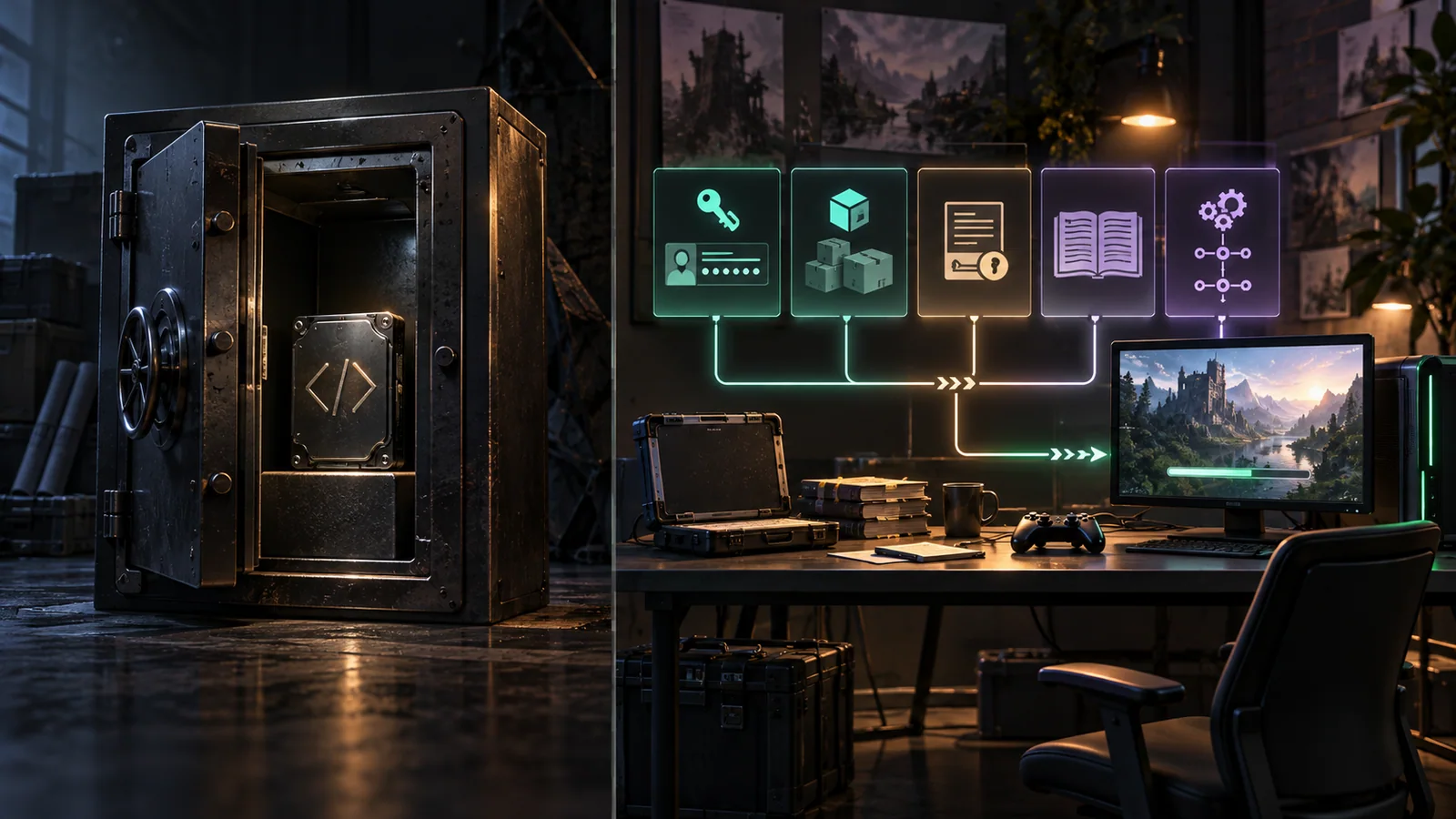
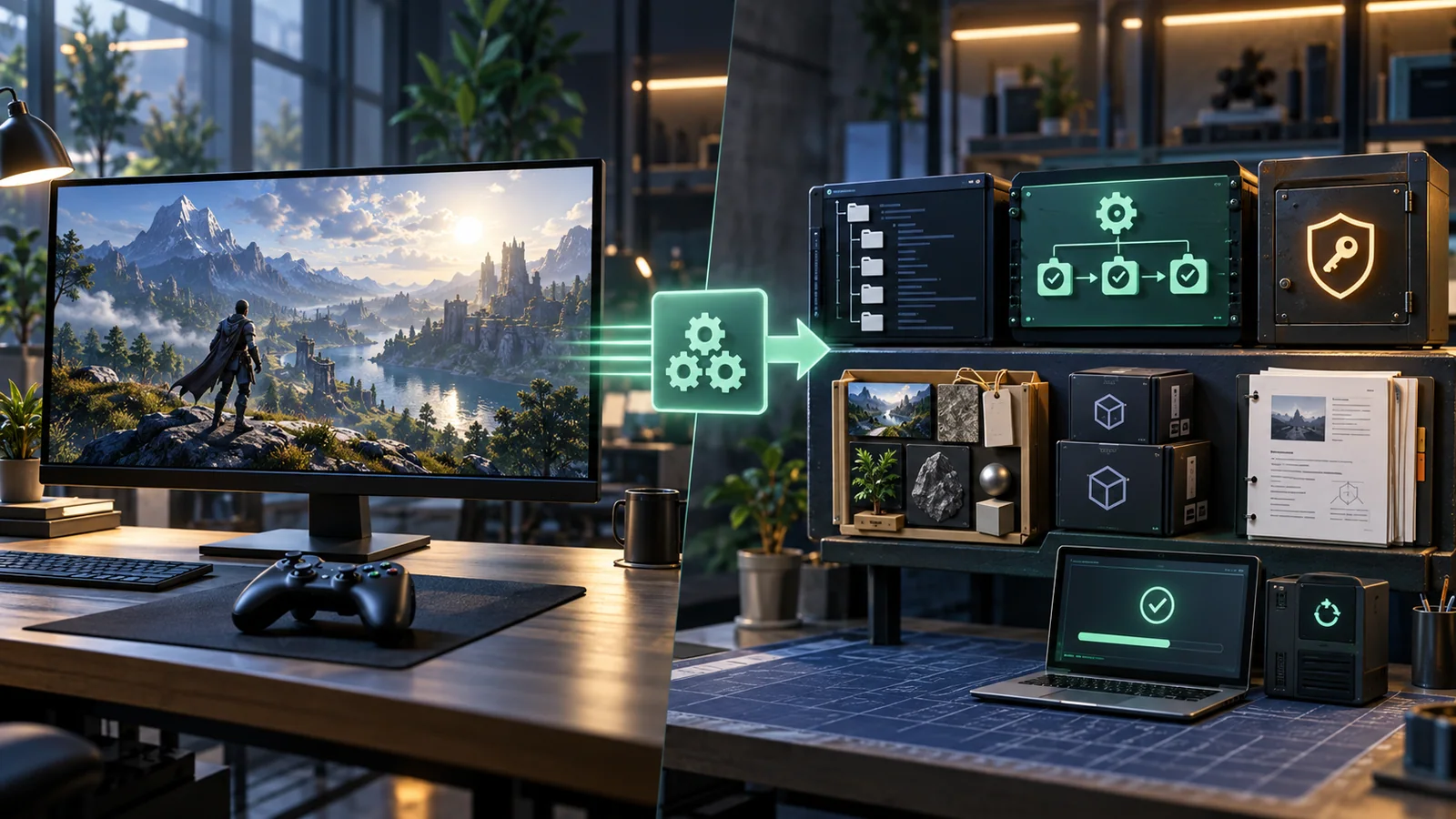
The studio should store:
- tool and model/version;
- generation date and account type;
- applicable terms or license snapshot;
- prompts and authorized reference inputs where appropriate;
- human edits and editable source files;
- similarity or clearance review for important assets;
- approvals and final rights assignment.
Do not place confidential code, art, or unreleased designs into a hosted tool without checking data-use and confidentiality terms. WIPO’s game-development guidance explicitly warns developers to consider licenses, output protection, and whether uploading code creates copyright or trade-secret risk.
Not every asset carries equal risk
A disposable background texture and the hero character on the box do not deserve identical review budgets. Rank assets by commercial importance, recognizability, replacement cost, and exposure. Reserve the strictest provenance and human-authorship process for names, logos, key characters, signature art, music, and marketing materials.
The contract needs operational language
“Vendor may use AI” is too vague. The agreement should address approved tools, prohibited inputs, disclosure, record retention, confidentiality, warranties, indemnity, replacement obligations, and who decides whether an asset is accepted.
Sources and limits
- U.S. Copyright Office: Copyright and Artificial Intelligence
- WIPO: Generative AI—Navigating Intellectual Property
- WIPO: Video-game IP guidance
AI and copyright law is evolving and jurisdiction-specific. This is production education, not legal advice.
Key takeaway
An AI asset needs more than a download button. Preserve the permission, inputs, human contribution, edits, approvals, and transfer that connect the file to usable commercial rights.
AI game developmentcopyrightasset provenanceoutsourcing